
Your aging parents might be doing well right now; however, take a longer term look at how they will be doing next week, next month, next year. Think ahead.

Alphabet Soup – Medigap Lingo Spelled Out

A Time and Place for Being “Controlling”

Have that itch to start Spring Cleaning? How about starting at your elder’s house? Here are some ideas to help sort the “treasures” of 70-80 years of living. Sorting through a household is a daunting task, especially one that has been collecting belongings for seven or eight decades! To help you get started, I suggest that as you evaluate the items, you sort them into 3-5 categories: Items that your elders will want to keep with them always Items that family members may want Items that can be sold at an estate sale, antique store or online Items to donate to charity Items to throw away I like to use the colored dot stickers that you can purchase at the office supply store – one dot for each category (also one for each family member who will receive any of the items). For items in the first two categories, it’s fun to sit down with your parents and family members to share the stories about each treasure. Ask them: When did you acquire this? How did you acquire it? Gift? From whom? Purchase? Where? (get the whole scoop) Tell us about it. What are your favorite memories associated with it? Then, write the information down. Capture the story. I like to use the clear adhesive stickers (again from the office supply store). Write the summary on a sticker and affix it to the item (underside, back, etc.). That way, the story stays with the item! I’ve heard way too many folks say they inherited items that they knew were family keepsakes, but had no idea why or what the story was behind them. Don’t let this happen to you. Get the stories and have fun with your elder in the process! If your elder wants certain items to go to a particular individual, have them make a list in their own handwriting of the items and who they want to receive them. Put this list with their will or store with other important paperwork. For items to be sold or donated, remember this part is like an onion – it gets peeled in layers and may not be done just once! Your elder may be ready to part with some items now and may want to hold on to others for longer. Get an estimate of the value of these items – antiques, collections, sets of china/silver/crystal. Don’t assume it’s worthless and don’t assume it’s a Rembrandt. Get an expert opinion, search online or look for comparable items. You can take these to an antique or consignment store, have an estate sale or sell them online. There are also professionals that can do estate sales for you (and take a percentage). You may want to contact them if your elder is ready to move or is ready to start the process of clearing out the treasures now. For photos, you’ll want to list the names of the folks in the photograph, where they were and if there was a story behind it. At the very least, get the names and write that on the back of the photo (or use a sticker). I can’t tell you how many family photos get thrown away because no one knows who was in that photo from years ago. Plus, it’s fun to hear the elder’s excitement when they share the story! For clothing, remember local shelters need clothing for their clients. A plug here for more formal or business clothing, Dress for Success helps women seeking employment get clothing for interviews and starting out in a job. Check out their website for items they currently need. Other options for vintage clothing and accessories are the drama departments of local schools or colleges. Some community theaters would appreciate some of these items as well – maybe even a few items for props! Just remember starting out now is a way to spread out this daunting task. But, it also comes with the rewards of sharing some great memories too! Happy Spring Cleaning!.

One of the most important elements of good health is drinking plenty of water. Many of us do not hydrate as much as we should; this is especially true for elders. How can we help them with hydration? How much water do elders need? There’s no exact answer for this but the daily guideline is 8 oz. of water for every 20 lbs. of weight. That’s 6-8 glasses of water for the average person. With exercise, warm weather and medications that cause frequent urination, the amount may increase. Check with your elder’s doctor for a more exact guideline. Why don’t they drink more water? According to Nancy Timothy, Wellness Nurse at Arbor View Assisted Living in Arvada, CO, for older folks, their sense of thirst decreases with age. They don’t recognize that basic need for hydration that our sense of thirst inspires. I bet you thought your elders were just being obstinate. Well, they may be that, but they may also really not be thirsty. Dementia, medications and physical limitations can also play a role in how much our elders do or don’t drink in the course of a day. The less water they drink, the more their thirst can diminish. What can we do to help? If your elders live alone, they might benefit from a pitcher or canister with measuring lines. For example, my mother-in-law would fill a pitcher in the morning to a certain point that her daily water intake needed to be. She’d fill a glass or water bottle throughout the day from this pitcher. She could keep track of what her intake was and so could we when we stopped by for a visit. If your elder has home health aides who visit daily or throughout the week, they can assist by placing water on the table at meals and refilling glasses near their favorite chair or in obvious places in their home (while encouraging water intake). In assisted living or nursing care communities, the staff usually encourages water intake throughout the day, with meals and with medication. But you should ask at the next care conference about how they are handling this and how they are measuring their impact. Start here. Ask your elder if they feel thirsty during the day. Ask how they are doing with water intake. (Keep in mind, they may slightly exaggerate…) Offer some ideas on how they can drink more and what they might do to keep this need on their daily radar. Talk about hydration at their next doctor visit. Ask the doctor to review their meds for any that might increase their need for water or that might lessen their thirst. Find ways that would encourage your elder to hydrate. If they like their water room temperature, buy them a pitcher to leave out and that they can easily lift. If they like cold water, find a place in the fridge for a pitcher. Add lemon or fruit to water to make it more palatable. Smoothies that mix water with fruit might be a good treat daily. Limit carbonated sugary drinks and replace with fruit juice or sparkling water. If they have room for it, contract with a bottled water company to provide and replenish one of the water stations that dispenses water at either room temperature or cold. Adequate hydration is something that elders need to think about, and consequently, something you need to think about as well. So let’s get started thinking and drinking. (yeah, yeah…I know what you’re going to drink).

Now’s the time – the time to talk about the future, about wishes & preferences, about where, when and how. It’s Turkey Time and the gang’s all together. Now is the perfect time to bring up the tough subjects with your elders. If they hesitate, bring them some more pie. Gather your siblings, your parents, your in-laws, your elder family members (and the non-elder ones too) around and start talking. It’s a good time to use humor, to laugh and to make light of a few bits of this topic – but never doubt how important or how serious it is to have this discussion. What do you talk about? Here’s my list of recommendations: Where? Where do you want to live as time marches on? Do you want to live in your current house? Your current retirement village? What about moving to live near me? Or sister Sally? If a big rock were to fall from a cloud and hit you in the foot, you couldn’t use your stairs anymore. Where would you want to go? If you need to, use a crazy example like that. It takes away the threatening feelings associated with “you’re going to get old and need care” thoughts. Talk about the money, honey. Medicare doesn’t pay for long-term care. So, what funds do they have socked away to pay for care, if they were to need it? Do they have long-term care insurance? Do they have investments that provide income to pay for care? Do we need to sell great-grandma’s land in Iowa eventually? Who’s got power of attorney? Who will speak for the elders if there were to need an alternate voice (legally)? What if that rock that fell from the cloud were to hit you in the head and knock you out for a few days? You’d need someone to speak on your behalf to the doctors and medical folks. That’s what a medical power of attorney (POA) is for. If your bills needed to be paid while you were knocked out, who is authorized at your bank or on your credit card to pay your bills or call your insurance agent? That’s what a financial power of attorney is for. Who has the POAs and where’s the paperwork? Advance Directive – let’s say the rock hit you on the nose and you needed some apparatus to help you breathe. Do you have any paperwork saying what help you want given and what you don’t want done? An advance directive is so important because it lists the heroic measures you want done on your behalf and which ones you don’t. Wills – Do you have one? Did you leave everything to me? (well, this could keep the conversation going…) Where’s the will – it’s not helpful if we can’t find it. Have you updated it since 1976? When you go to glory by riding off into the sunset, what do you want done with your body? Do you want to be buried next to great-aunt Esmeralda in the family cemetery in Bermuda? Do you want to be cremated? How about donating your body to the medical school? Do you want a disco party at your funeral? Do you want Cousin William to play his fiddle? Get the specifics about what their wishes are and what planning they’ve done for this part of the journey. I know. This is not your favorite topic. It’s not theirs either. But now is the time to talk about it. If you get their input now, they’ll have a say in what happens. If you don’t, it’s possible that they won’t. You can postpone this talk until an emergency happens, but if you do, you’ll all be in panic mode and not in “listening” mode. That’s not a good time to reach out for input, make reasoned decisions and solve immediate issues. Talk turkey today! Just do it (with or without the swoosh). Sit everyone down and start talking. You may even have a bit of fun with it. But, whatever happens, you’ll be glad you had this talk when the time comes that you need the information. Be grateful for the time you have today and be thankful that you can have this talk over pie (and not in a hospital waiting room). Happy Turkey Day!

Do your parents need care in their own homes? Do they need additional help at an assisted living facility? Are you nervous about finding the right person for the job? The most important element of matching a home health worker with your parent is fit . Here are four things to look for in the search for the right home health worker for your elder: Fit – Think about your parent’s personality. Are they easy-going, temperamental, grouchy, all of the above? When you are interviewing the home health worker, ask them how they work with folks with the type of personality your parent has. Do they get their feelings hurt easily? If yes, they may not be a good fit for your grouchy parent. If the aide is rough in his/her manner, they won’t be a good match for your sweet and accommodating elder. Ask about their style. How do they handle objections from their clients/patients? What do they do when their client doesn’t want to do what they are being asked to do? Inquire about their past experiences with different personalities and how they accommodated them. If this person will be working with two parents or multiple folks in one home, make sure you consider fit for all involved. Anticipation of Needs – Evaluate how this person would anticipate your parent’s needs. Would they look for ways to help without being asked? Would they check out the pantry to make sure there is enough food to make a meal? Will they fold the laundry that might be in the dryer when they arrive? Will they observe your parent as they move around the house and make suggestions for better furniture placement to accommodate your parent’s walker or movement needs? Ask them questions related to their past experiences. Give them an opportunity to evaluate something in the house where they will be working and gauge how well they anticipate. You want someone who is observant and acts on those observations. You also want someone who is sensitive to the situation. They will see (and help) your parent in some very vulnerable situations. They need to be kind, considerate and understanding of that. Passion for the Elderly – Workers who love the elderly are the best people for the job. If it is just a job, they won’t stay long and won’t work with as much care and compassion as those who truly enjoy working with the elderly. There are folks who love working with kids, those who love working with the elderly, folks with disabilities, etc. You want to find folks who love old people. Ask, probe, circumnavigate – whatever it takes – find out if they are passionate about elders. If they are, these folks should move to the top of your list. Can They Do The Work? – Can they lift your elder if it is needed? If you are hiring them for household duties – can they cook, clean, do laundry and other chores appropriately? Can they accommodate your parent’s special dietary needs? Are they gentle in their handling of care (like wound management, incontinence care or transferring from wheelchair to bed)? Are they punctual? Do they notify you in advance if there is a change in schedule? Make a list of what your expectations are and ask them about each one If you are working with an agency, make sure you are allowed to interview the workers that will be caring for your elder. Don’t assume that they will match the workers with your parent as well as you can. Remember, you are the gatekeeper for your loved one’s home and care. Being their advocate in this area is one of the most important contributions you can have to their care. Don’t forget to listen to your inner voice as well – it is often the best judge of character. AND – if it doesn’t work out, don’t continue to employ this person or agency. It’s a job, not a marriage!
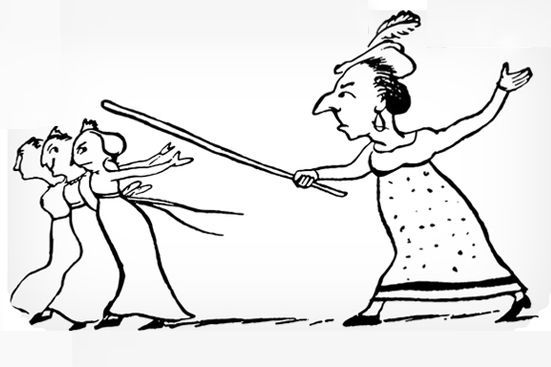
Do you feel like you are the odd one out when your friends talk about how sweet their elders are, about how they feel so connected to their aging parents? Wondering if you are the only one with grumpy elders? Don’t worry. It’s not Camelot for everyone. Sometimes the relationship wasn’t good to start with, so why would it be wonderful now? Sometimes your parents have gotten grumpy and irritable. Sometimes they have gotten grumpy and irritable with you, but not with anyone else. As we head into the Fall and holiday season, it’s important to have a clear assessment of the status of your relationships and to clarify your intentions going forward. So here are 3 tips for you if your relationship with your aging relatives can’t be described as Camelot: Come to terms with the situation. The relationship is not great; in fact, you might not really want to hang around longer than it takes to do whatever caregiving you have to do. That’s ok. Don’t try to make a purse out of a sow’s ear. Not all relationships are going to be peachy, even if we want them to be. Tell your elders that being grumpy, irritable and unkind do not productively help the relationship. Let them know that you expect them to treat you with respect. You would appreciate their kindness and civility. Ask if you can do anything differently that would realistically change the relationship. My husband told his mom that she should start thinking good thoughts about him once in a while (it helped). Set expectations with your elders of how you expect to be treated, how you plan to treat them and what either of you should do if those expectations aren’t being met. Hold them to it. Know that you are not dreaming. Many of us experience tough times in the relationships with our aging parents. It’s hard to age gracefully and many folks don’t. They take out their frustrations on the people closest to them. Knowing this and accepting it can feel like a huge stress reliever in itself. If it’s not Camelot now, it might not be that way forever. As people age, some get nicer to those they love. No guarantees, but it does happen sometimes. If not, you already know what it’s like. So, give yourself a hall pass and go get a massage or treat yourself to a long walk after you visit with your elders. If you can laugh at any part of the situation, indulge in it. Laughter helps. You are not alone. Caregiving in any form is hard. Caregivers need to acknowledge this and take the time needed to care for themselves too. #savesomemarbles.

5 Ways to Help Your Elder in the ER

Your elder’s care team is just that – a team. You are a part of that team, with the ability to make important contributions to your elder’s care. It’s National Family Caregiver’s Month. That means YOU! Caregiving is stressful and overwhelming. It can bring very special moments too. Check out these tips for reducing the stress so you can enjoy more of those special moments. Stress less when you’re organized, prepared and ahead of the next elder emergency. Follow these simple tips and you’ll take the stress down a notch or two. Conversation – Have you asked your elders what their preferences are now and in the years ahead? What, where, how, and whom? – are all valid questions for when (or if) they need more care. Holidays are perfect times to sit down and ask these questions with the whole family there. If they give you input now, you’ll be able to honor their wishes later. Paperwork – Locate the important paperwork and have it handy at all times. Powers of attorney – financial and medical. Do holders of POA have copies? Are they up-to-date for the state where your elders live and for the state where the POAs are residing? Wills – up-to-date? Know where they are? Originals? Forms filled out and sent to Social Security, Medicare and the Veterans Administration, allowing you (or some family member) to be a personal representative for your elders? In case you need to speak with these govt. agencies on your elder’s behalf, they do not accept power of attorney. Each agency has their own forms. See my book. Advance directives filled out and current. All family members and medical providers have copies? Sharing the Care – Are all family members participating in your elder’s care? Every one can do something!! Home maintenance, online bill pay, medication ordering, attending medical appointments, grocery shopping, care conferences. If they won’t do something, have them pay to hire help. Repeat after me: EVERYONE HAS A ROLE TO PLAY IN ELDERCARE. Review their Medicare choices – It’s open enrollment time (Oct. 15 – Dec. 7). Review your elder’s Medicare current plan and compare options on Medicare.gov, including prescription drug plans as well. Compare how they use the medical “system” to what their plan covers and what other plans offer. Be aware that Medicare Advantage plans limit which providers can be seen to those in network. Make sure you check out who’s in network and who’s not of your elder’s current providers. Get a list of your elder’s current meds and compare to their current Rx plan’s formulary. Check out other plans on Medicare.gov to see if their formularies cover the current meds at cheaper prices or at more convenient pharmacies. Build a Medical Binder for each elder – Include a list of current meds, current providers, summary of medical history, and chronic conditions. Make copies of insurance cards, powers of attorney, and family member contact info. Don’t forget to put your elder’s contact info and birthdate in the front. Get the most recent visit summaries from their doctors and place in there as well. I have a blog on this called The Book Where You Look. Search my blog posts for it. Take a Breather – Give up on perfection. Know doing your best is good enough. This is tough stuff and “perfect” isn’t really achievable – so don’t go there. It’s a marathon and not a sprint. Rest up, take time for yourself and find resources. Ask for help – from immediate as well as extended family, neighbors, friends, church members, community assistance and so on. You are entitled to have help and it’s out there. Stop for a moment and find it. You are not alone. There are support groups for caregivers. Organizations like the Alzheimer’s Assn, Parkinson’s Foundation, American Heart Assn, American Hospice Foundation and many others offer support and resources for family caregivers. You are a caregiver if you are responsible for the care of your elder. Just because your loved one lives in a care community or has paid caregivers assisting them doesn’t mean you aren’t a caregiver. Grab the label and wear it proudly. Eldercare is punctuated by emergencies. They will happen and there’s no way around that fact. What you can do is be prepared, be organized, and stay plugged in with your elder. This will reduce your stress now and, when the emergency happens, you’ll be able to stay in care mode – avoiding the enormous stress that operating in panic mode brings. Enjoy the precious moments, laugh, share memories, and know that you are doing something really beneficial for your elder, your family and your community .